POLITICS. TEACHING. OTHER QUESTIONABLE INTERESTS.

Teaching / Open the question

CLASS
WORK.

The world is complicated.
The worksheet should know that.

Simulations, visual arguments, syllabi, and things to try in a room full of people. Built to make ideas do some work.

Use something. Tell me what happened.
Whose Terms?See how power works.Israel–Palestine, explored through interactive cases. ↗

40 resources

Start anywhere.

01

Simulation / About 55 minutes · planning estimate

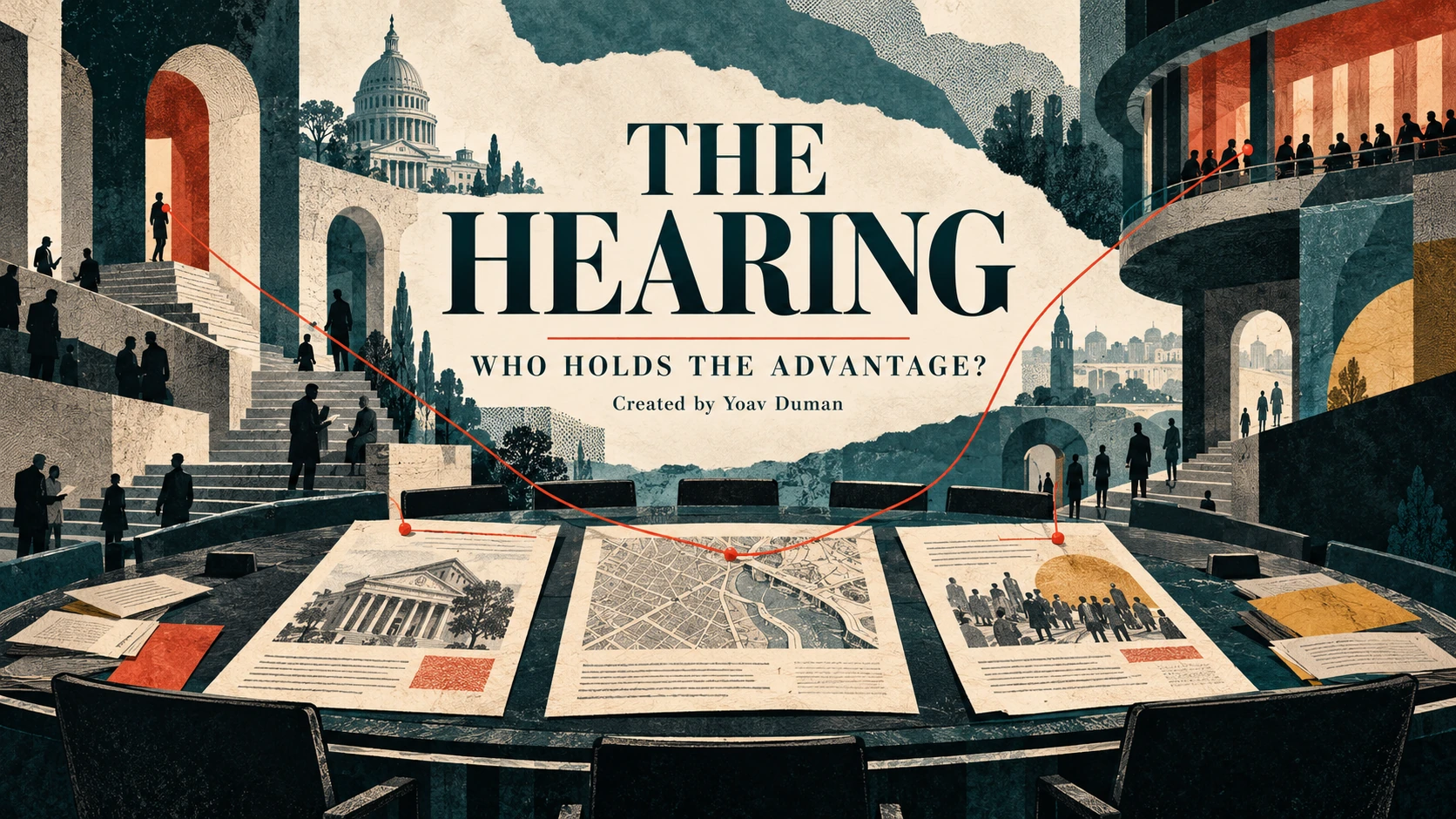
The Hearing

Who holds the advantage? Build an evidence board, face questions about your sources and defend a bounded explanation of political competition. Choose a main case and a comparison from Russia, Malaysia, Malawi and Serbia. The historical outcomes are known; your argument remains open to challenge.

Explore simulation
02

Simulation / 50–60 minutes · planning estimate

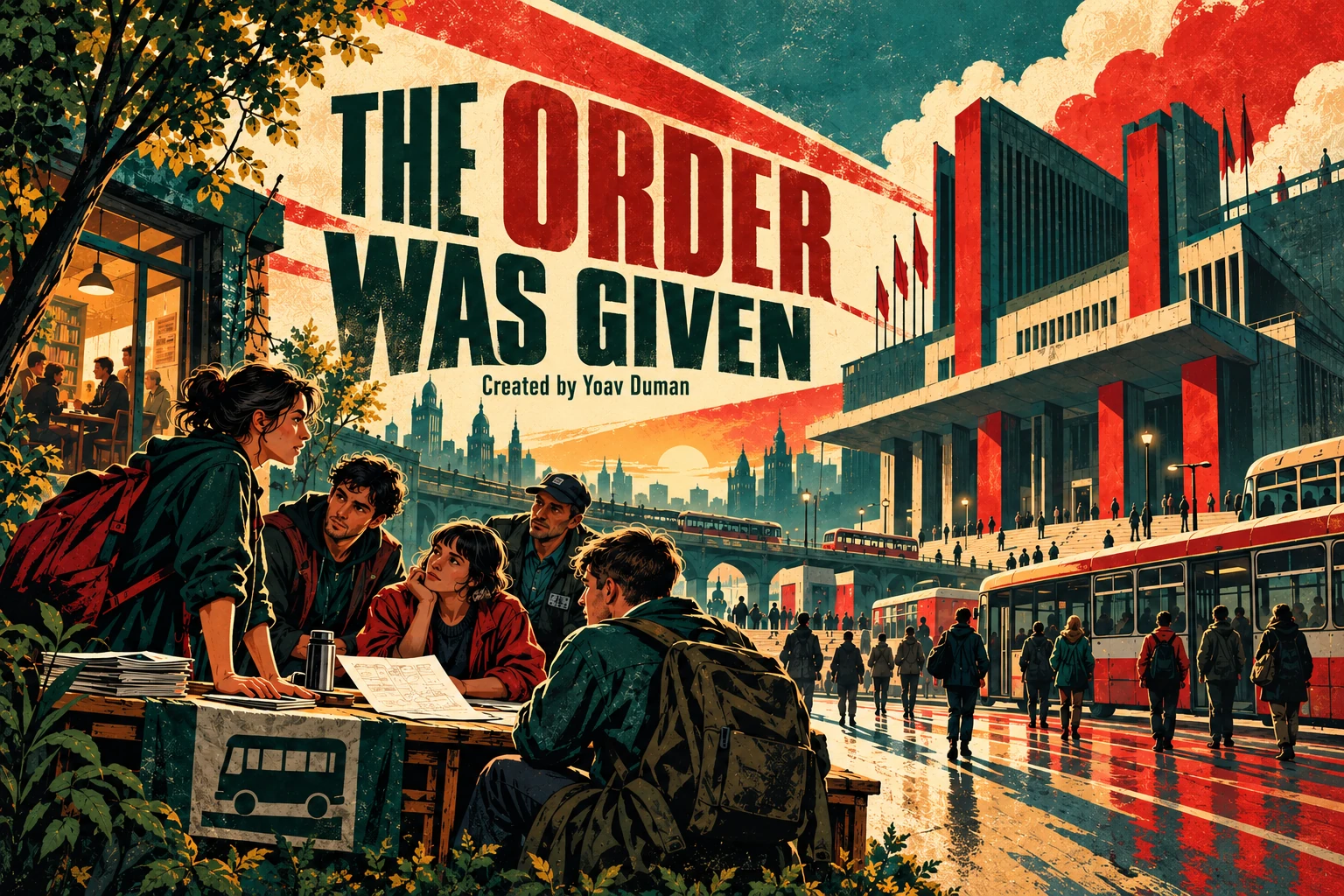
The Order Was Given

An order is not the whole story. Organize a legal opposition transport campaign in authoritarian Lydora: publish two promises, approach four organizations and learn from three rounds of replies. Change one venue-access rule, then explain its consequences and what remains unknown about votes.

Explore simulation
03

Simulation / About 75 min or two sessions · provisional teaching plan

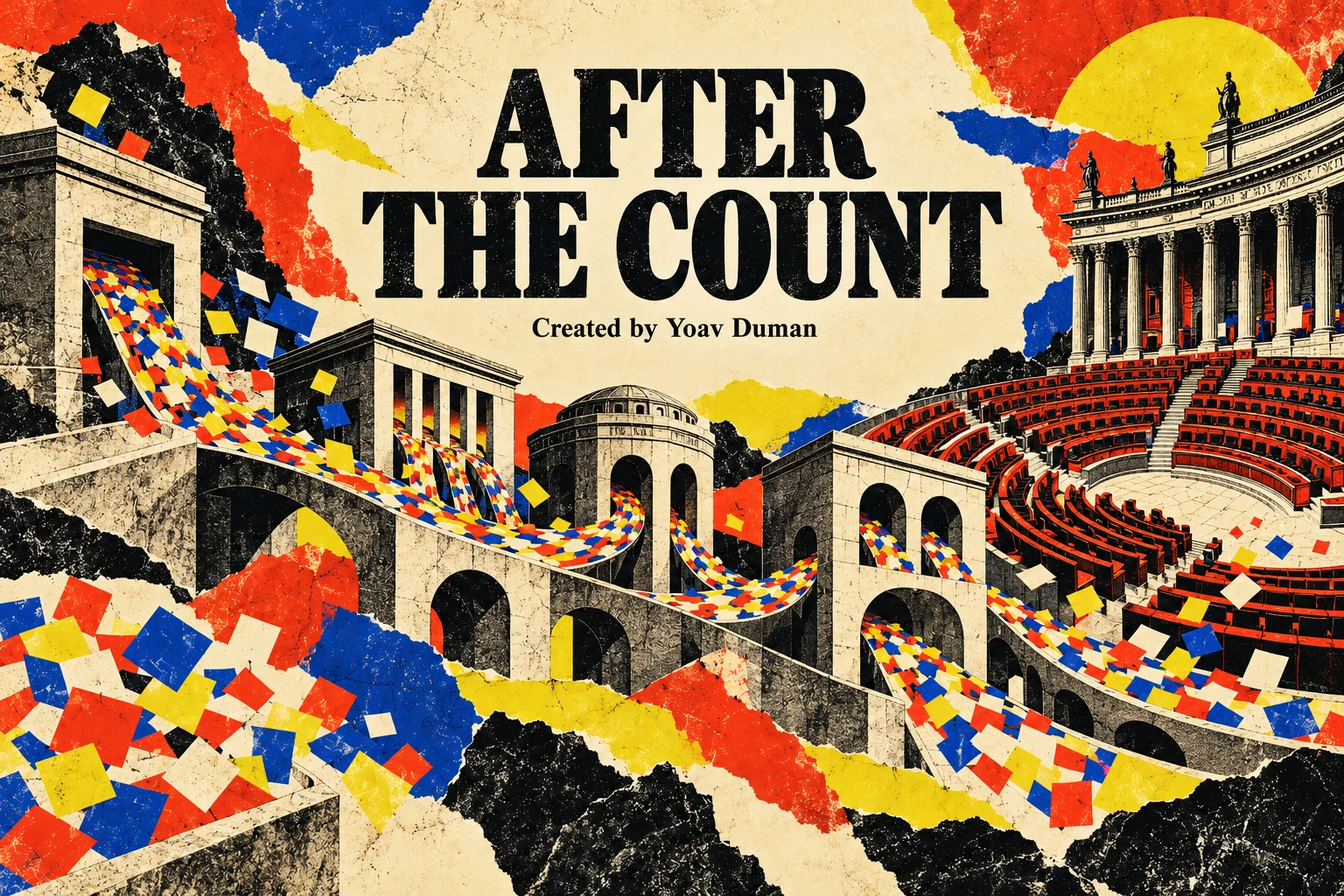
After the Count

Votes in. Power out. Investigate real elections in the UK, Israel, Liberia and New Zealand. Follow how votes become seats or one president, test rule comparisons and defend a consequence you value and a cost you accept.

Explore simulation
04

Simulation / 45–65 active minutes · planning estimate

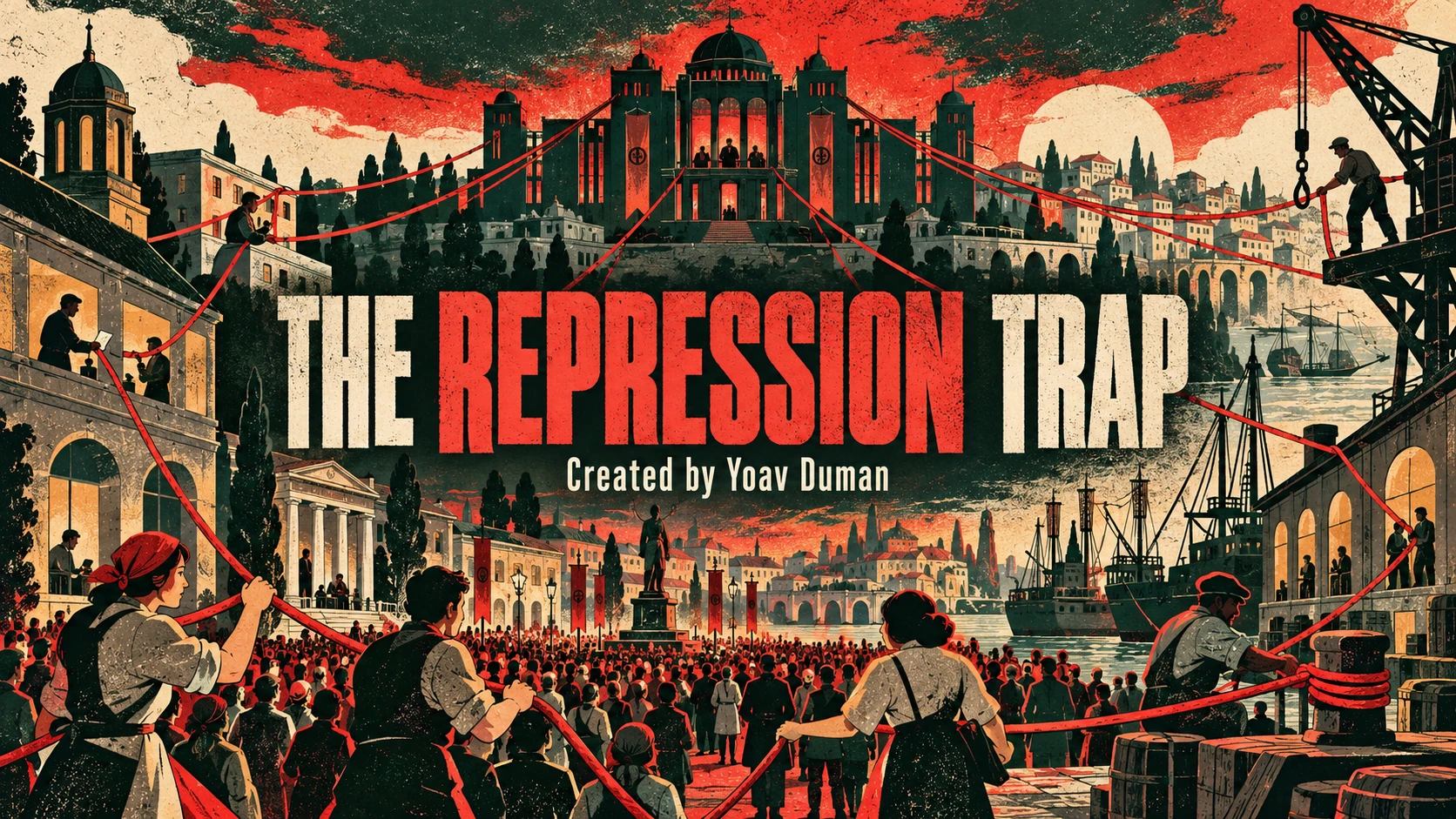
The Repression Trap

Why can a huge protest leave a ruler secure? In this solo simulation, follow the money, orders and everyday cooperation that keep a government working. Five choices turn civil-resistance theory into an argument about institutional pressure, human costs and the limits of apparent victory.

Explore simulation
05

Simulation / Three 50-minute meetings · provisional teaching plan

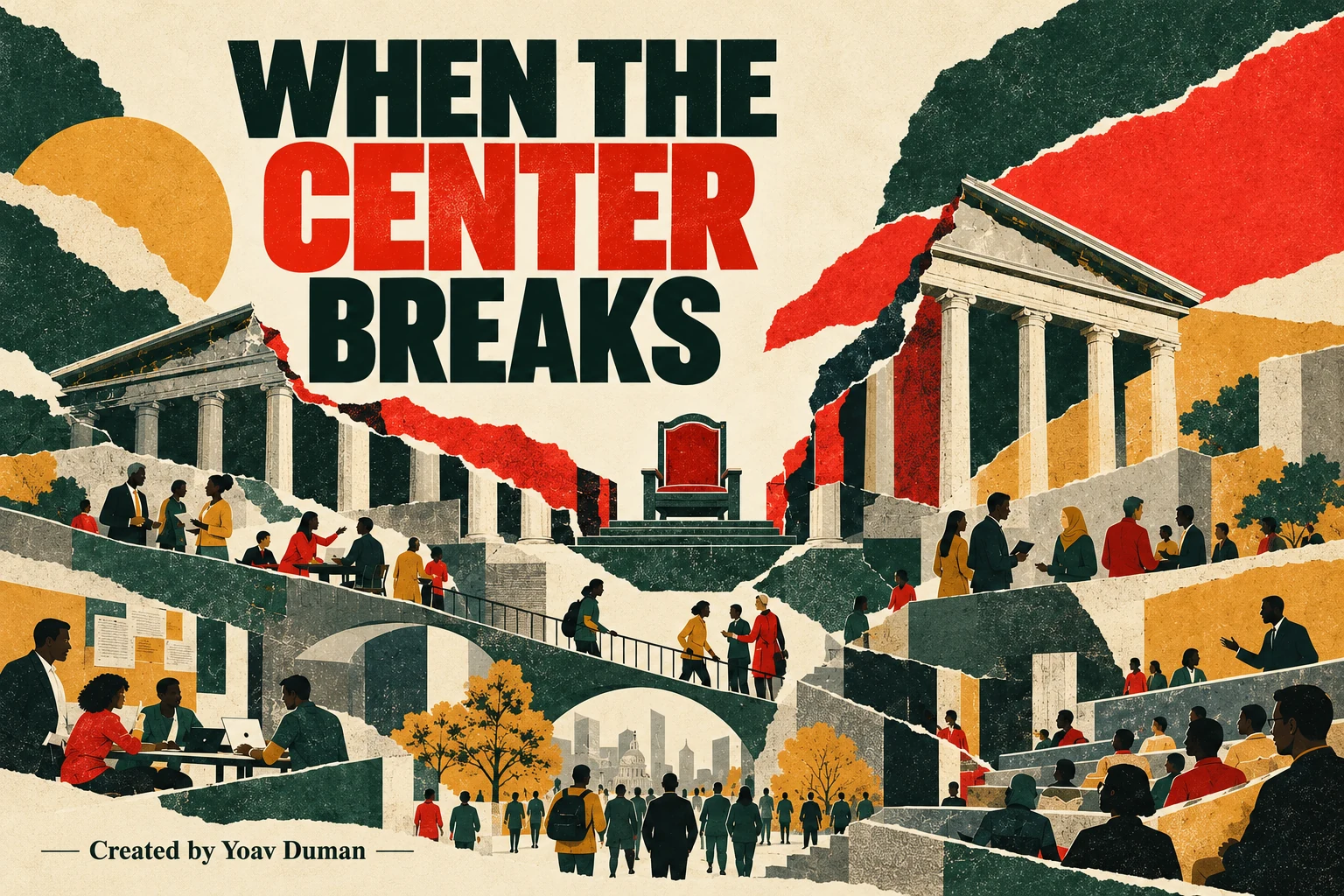
When the Center Breaks

A ruler leaves. What actually changes? Investigate Tunisia, Egypt, Belarus and Sri Lanka through theories of revolution, real evidence and rival explanations. Build a dated causal account, audit it when new evidence arrives and make the explanation travel.

Explore simulation
06

Simulation / Three resumable acts · timing needs a classroom pilot

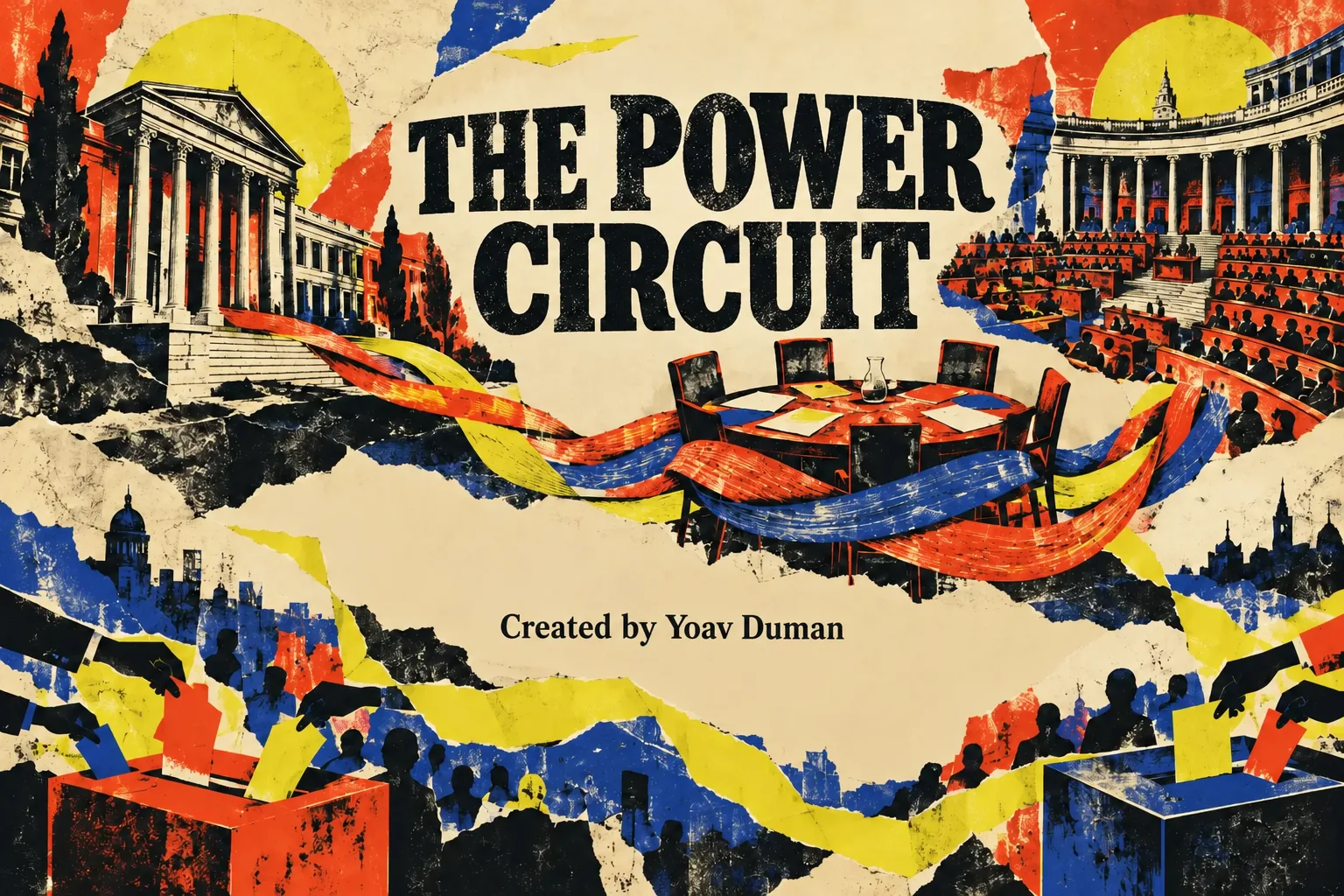
The Power Circuit

Compare parliamentary, presidential and semi-presidential systems in an interactive political science game. Form governments, build coalitions and distinguish a defeated bill from losing office. Explore nine country cases, weigh institutional tradeoffs and develop a research hypothesis.

Explore simulation
07

Instructor guide / In class · 45–50 minutes · groups of 4–6

The Shared Country

Who can decide, whose agreement matters, and who bears the cost? An organic, in-class federalism simulation in which groups govern one fictional country through a river dispute, unequal clinic resources and a teacher-licensing dilemma. Earlier choices become the rules for later decisions. No prior learning or advance student preparation is required. Created by Yoav Duman.

Open resource
08

Simulation / Five episodes · estimated 60–90 minutes · save and resume

The World We Make

Two armed rivals meet. Their weapons remain dangerous. Can their relationship change what those weapons mean? Investigate the end of the Cold War and the campaign to ban landmines, carry records between exhibits, test an inspection protocol, and defend a coalition strategy. Compare ideas, identities and norms with material pressures and institutional incentives, then revisit your first prediction.

Created by Yoav Duman

Explore simulation
09

Simulation / About 70 minutes · save and resume

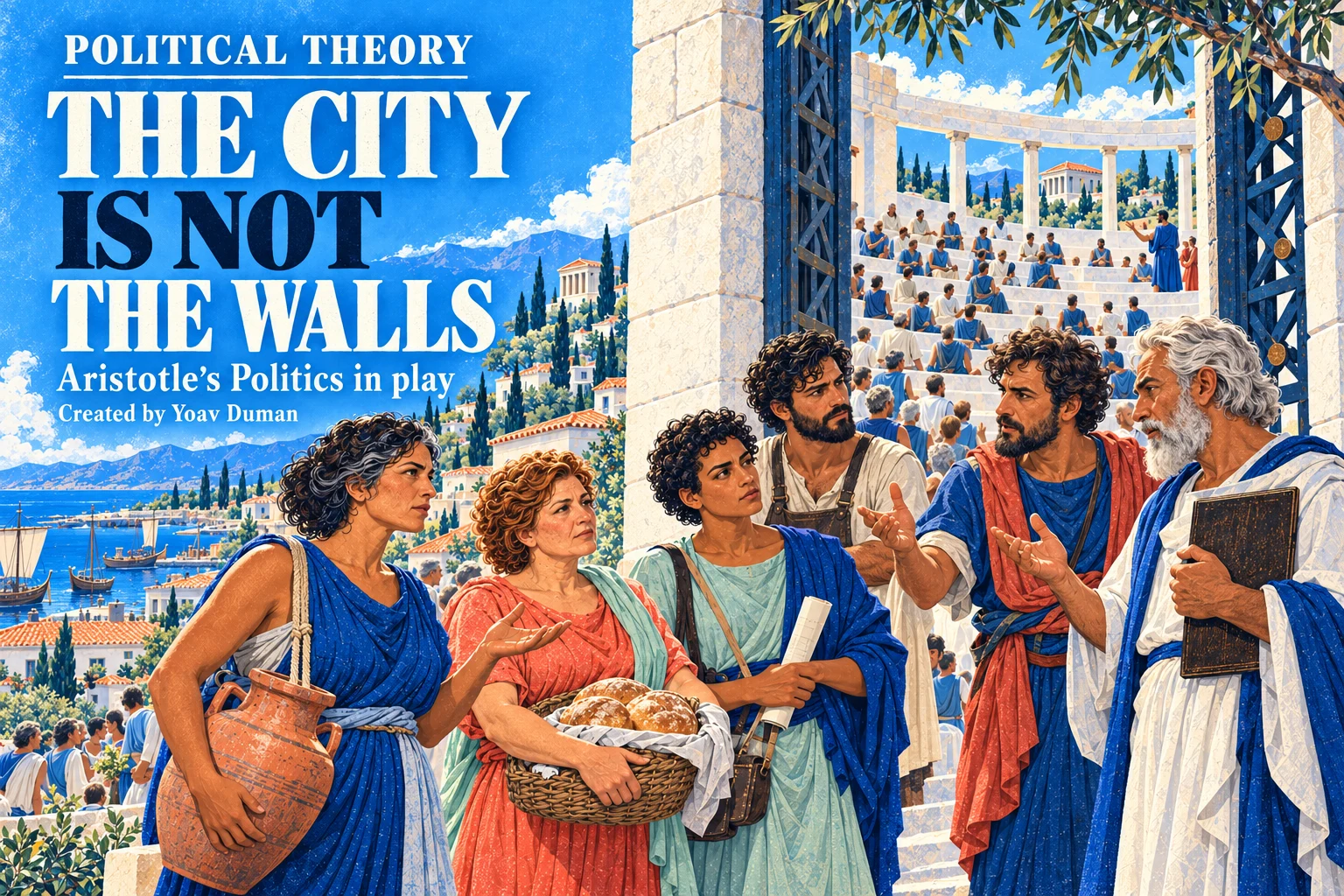
The City Is Not the Walls

The council has fallen. The walls are still standing. So who makes the city? Write a charter for Kallia, hear six residents challenge it, and work through Aristotle’s arguments about citizenship, justice, virtue, and rule. Decide who belongs, trace who holds power, and defend your reasons against an objection. The ideas arrive as you need them; no prior Aristotle reading is required.

Created by Yoav Duman

Explore simulation
10
Whose Terms?

Simulation / Core ~60 min · Full ~90 min · Save & return

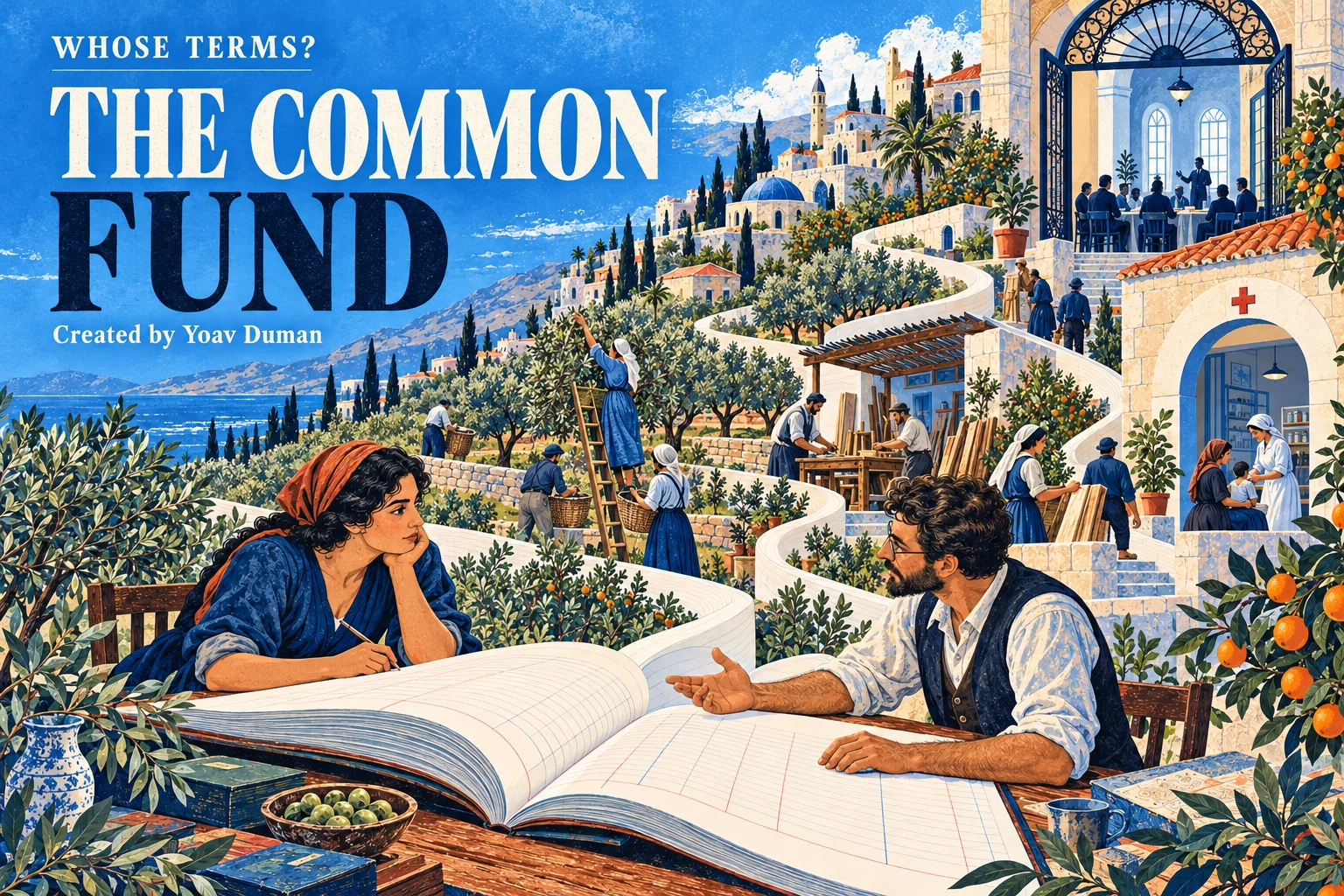
The Common Fund

Build the rules of a fictional cooperative in Palestine, 1905–1948. Use Shafir and Peled’s Being Israeli to investigate how work, national belonging, donor finance, and institutional authority shape who gains access and who is left out.

Created by Yoav Duman

Explore simulation
11
Whose Terms?

Simulation / Estimated 90–120 min · Save & return

A Seat, With Conditions

Advise a fictional Palestinian civic committee under the British Mandate. Use Rashid Khalidi’s The Iron Cage to investigate representation, public work, and the powers a seat at the table may leave untouched.

Created by Yoav Duman

Explore simulation
12

Simulation / Two parts · about 135 minutes · save and resume

The Cities Are Moving

A country moves into the neighborhood. An agreement is already signed. Explain it through five international relations approaches, investigate an escort puzzle, and revise your advice as the evidence changes. Test a renewal proposal against consent, capacity, and competing interests, then take your reasoning to a new case.

Explore simulation
13
Whose Terms?

Simulation / Estimated 90–120 min · Save & return

A Right on Paper

Follow people trying to reach a job, claim service benefits, live together, and return home under a court order. Use Shafir and Peled’s Being Israeli to explore who qualifies, who decides, and how rights become usable.

Created by Yoav Duman

Explore simulation
14
Frontiers Simulations

Simulation

Everyone Says Democracy

A commission hears strong support for democracy and predicts that citizens will defend its institutions. You investigate that inference in fictional Bellmere. Two studies help you distinguish institutional support, democratic understanding and candidate choice, while showing why a convenient scale can lose important content. Follow linked respondents through exact comparisons, interpret a separate numerical exercise, and build a usable instrument within a twelve-slot budget. Then develop your own account in a new public-media case and design a comparison that could distinguish it from a rival. Your conclusions must respect legal powers, missing observations and the distance between hypothetical choices and actual votes. Created by Yoav Duman.

Explore simulation
15
Frontiers Simulations

Simulation

The Persuasion Hearing

A supplier offers a chatbot for a public transit consultation, backed by a certificate showing that stored demographic profiles are disconnected. As an adviser to Bridgehaven’s Civic Technology Commission, you must decide what evidence a license needs. Read two recent AI-persuasion studies, check six sentences against official notices, reconstruct a proposed causal process and defend an enforceable rule within a limited audit budget. Then apply your reasoning to a fresh public-service case. Keep experimental comparisons, factual reliability, citizen access and political judgment distinct while making them inform one decision. Bridgehaven and its local records are fictional. Created by Yoav Duman.

Explore simulation
16
Frontiers Simulations

Simulation

The Overloaded State

A flood-recovery office promises decisions within ten days. Its responsibilities grow, files wait at different stages, and warnings struggle to reach the people controlling resources. You investigate this fictional office through two research lenses: the relationship between implementation work and administrative capacity, and the effects of procedures, expertise and political pressure. Build an explanation, test a credible rival, and choose one constrained pilot while preserving lawful eligibility and appeals. Then transfer your reasoning to a water authority with different tasks and powers. The challenge is to connect an institutional action to a public outcome without inventing a reform effect. Created by Yoav Duman.

Explore simulation
17
Frontiers Simulations

Simulation

The Democracy Alarm

Bellara's election dashboard and democracy report tell different stories. As an independent analyst, audit the fictional documents before deciding what the public should hear. Read a real scholarly dispute about democratic backsliding, then trace authority, decisions and access through dated records. Build a transparent measurement charter with three indicators and two different rules for combining them. Compare country and population weighting, choose a verification project under a staff-hour limit, and test your rule in an unfamiliar municipal dossier. The challenge is to defend a specific warning with evidence, keep unknowns visible and explain which observation could make you revise it. Created by Yoav Duman.

Explore simulation
18
Frontiers Simulations

Simulation

The Civic Machine

Larkhaven needs a transit decision. Residents submit priorities, an AI produces a shared statement, and the council must decide what that statement authorizes. As an independent reviewer, follow a fictional consultation through dated documents, competing explanations and exact response counts. Two real studies examine AI mediation and persuasion, helping you ask what was tested and which institutional claims remain open. Construct possible response tables, defend a route and process under a budget and access rule, then investigate a different institution. Agreement is the beginning of your inquiry. Your task is to make a precise finding and explain what could change it. Created by Yoav Duman.

Explore simulation
19
Frontiers Simulations

Simulation / 30–35-minute guided core; optional frontier +10–15

Major Decisions

A university is accused of manufacturing voters. Some political differences began before enrollment; others developed around classes, new friends, and a housing crisis. Choose an explanation, predict what evidence could distinguish it, then inspect a record and face a challenge to its timing. Two articles help separate field, attendance, policy outlook, and engagement. Play For class with a saved research brief or For fun with open browsing. An optional frontier changes the party choices while keeping preferences fixed: could a different ballot produce a different vote without changing anyone’s beliefs? Created by Yoav Duman.

Explore simulation
20
Frontiers Simulations

Simulation / 30–35-minute guided core; optional frontier +10–15

The Statement

Detainees are released after a public condemnation. The government claiming credit, the families who organized, and the diplomats who negotiated tell different stories. Choose an explanation, predict what evidence would strengthen or weaken it, and open a record before a new date challenges your account. Two research articles help separate approval, punishment preferences, and actual conduct. Play For class with a saved research brief or For fun with open browsing. An optional frontier asks whether an earlier condemnation shields a government from criticism—or makes its later violation more costly. Created by Yoav Duman.

Explore simulation
21
Frontiers Simulations

Simulation / About 36 minutes + class debrief

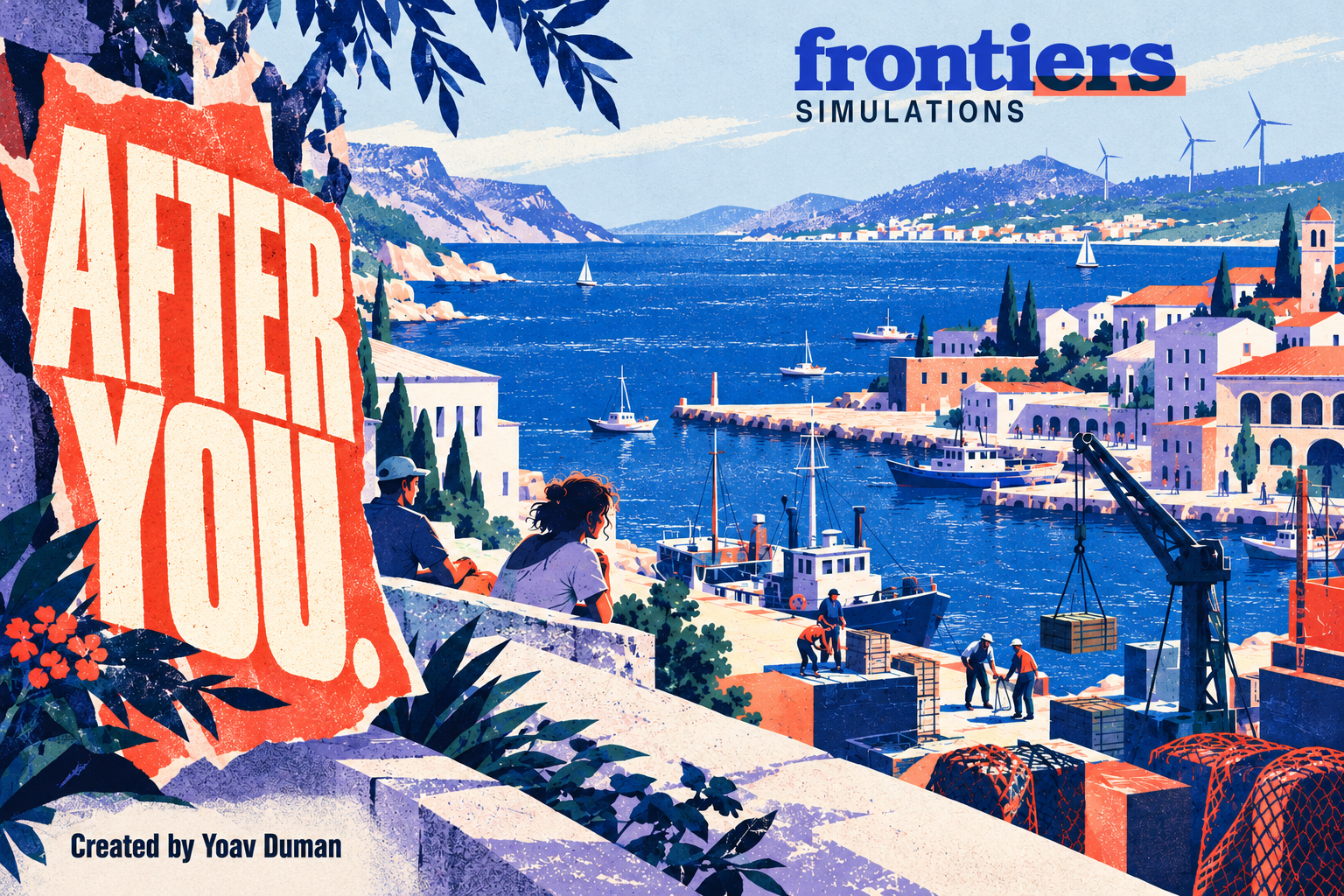
After You

A climate promise crosses borders. Politics decides what follows. Vela announces a stronger emissions target; in Luma, workers, businesses, and coastal residents have different stakes. Advise the government, predict its next move, and follow records that complicate the obvious story. Test competing explanations, revise your claim, and propose the evidence you would seek next. After You connects introductory international relations to current research on cooperation and domestic bargaining. Created by Yoav Duman.

Explore simulation
22

Simulation / 9 map levels · 12 stories · country comparisons

World Regions Lab

Bilingual in English and Spanish (Español). A map is only the beginning. Find your bearings, read evidence, and build the skills to ask bigger questions in social science and the humanities. Each geography level offers a learning guide and varied practice questions. Follow stories about borders, inequality, gender, and belonging, or compare countries with real data. Keep your discoveries to print or bring to class.

Explore World Regions Lab
23

Simulation / One-file lesson · plan 50 minutes

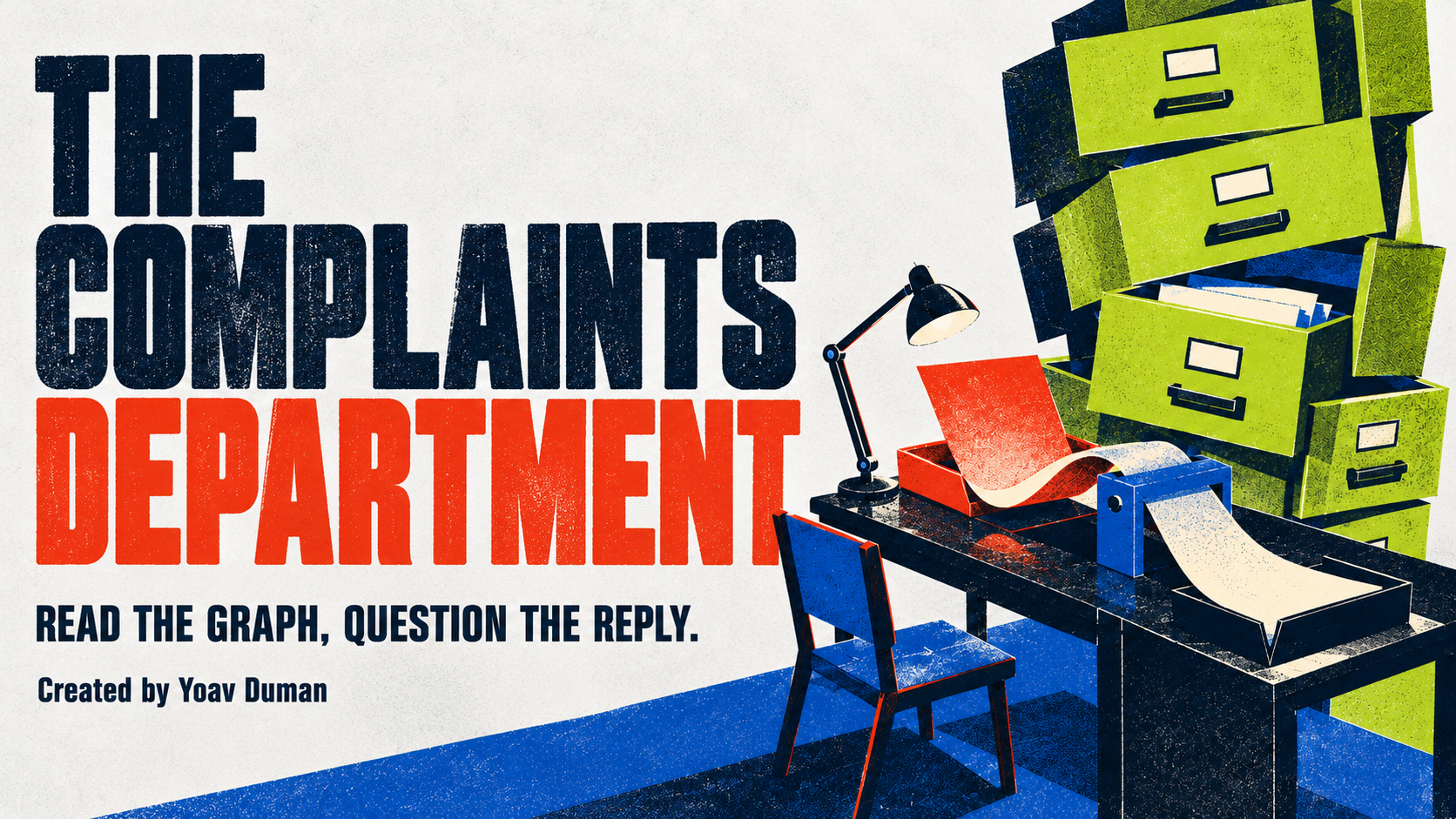
The Complaints Department

Answer the question. Show what the evidence supports. In The Complaints Department, audit a department’s reply to a resident: check the question, pin relevant values, retain supported findings, and request suitable evidence for what remains open. Assign earnings, women’s representation, opinion of Congress, or the housing source audit as an individual file, or follow a selected sequence. First responses remain visible beside later replies; optional fresh cases test the same reasoning in invented settings. Created by Yoav Duman.

Explore simulation
24

Simulation / 45–60 minutes · optional +10

Reply Across

Your advice arrives before hindsight. Two envelopes take you to Canada in 1992 and India in 1956, when the next arrangement was still contested. In Reply Across, recommend a proposal, preserve what you expect, answer an objection and later reopen your prediction beside the historical record. Compare federal powers, internal minorities and the categories used to count people—then decide which parts of your explanation can travel. A narrative simulation for students with a basic introduction to nationalism. About 45–60 minutes, with an optional ten-minute Spain postscript comparing Catalonia and the Basque Country. Save and print your addressed reply. Created by Yoav Duman.

Explore simulation
25

Simulation / 45–60 minutes · optional +10

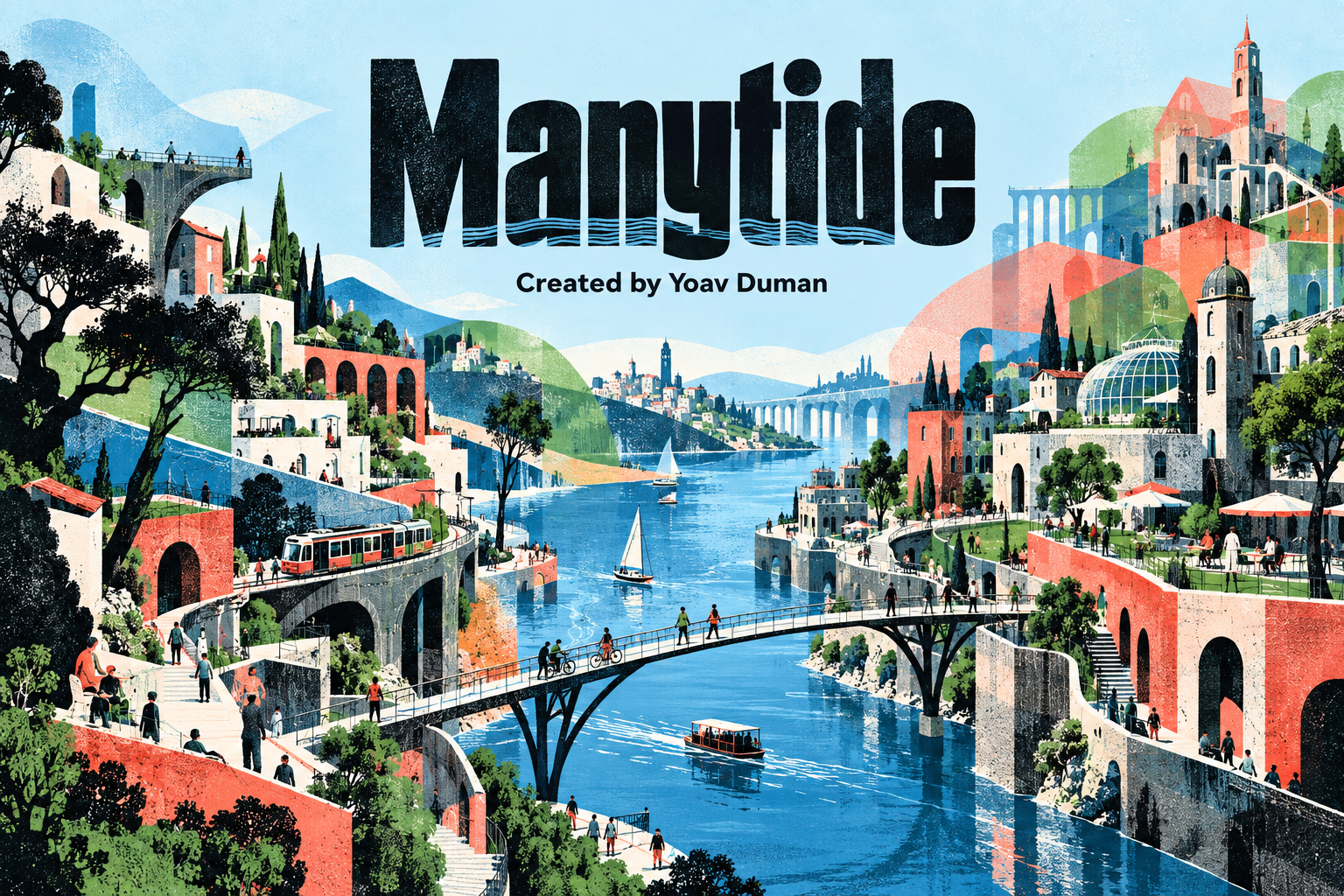
Manytide

A household has three destinations. A train arrives after the shift begins. A jurisdiction line does not tell you who needs a service. In Manytide, you follow a public-systems mission through five stops in a fictional country, making choices about records, work, rivers, authority and money. Read the evidence, predict what your arrangement will change, then return to the people and obligations it leaves behind. Explore nationalism, federalism and belonging through a story that gives your explanations something to answer for. About 45–60 minutes, with an optional ten-minute coastal detour. No prior theory knowledge needed. Save, revisit and print your field journal. Created by Yoav Duman.

Explore simulation
26

Simulation / 10 stages · Core or Full guidance

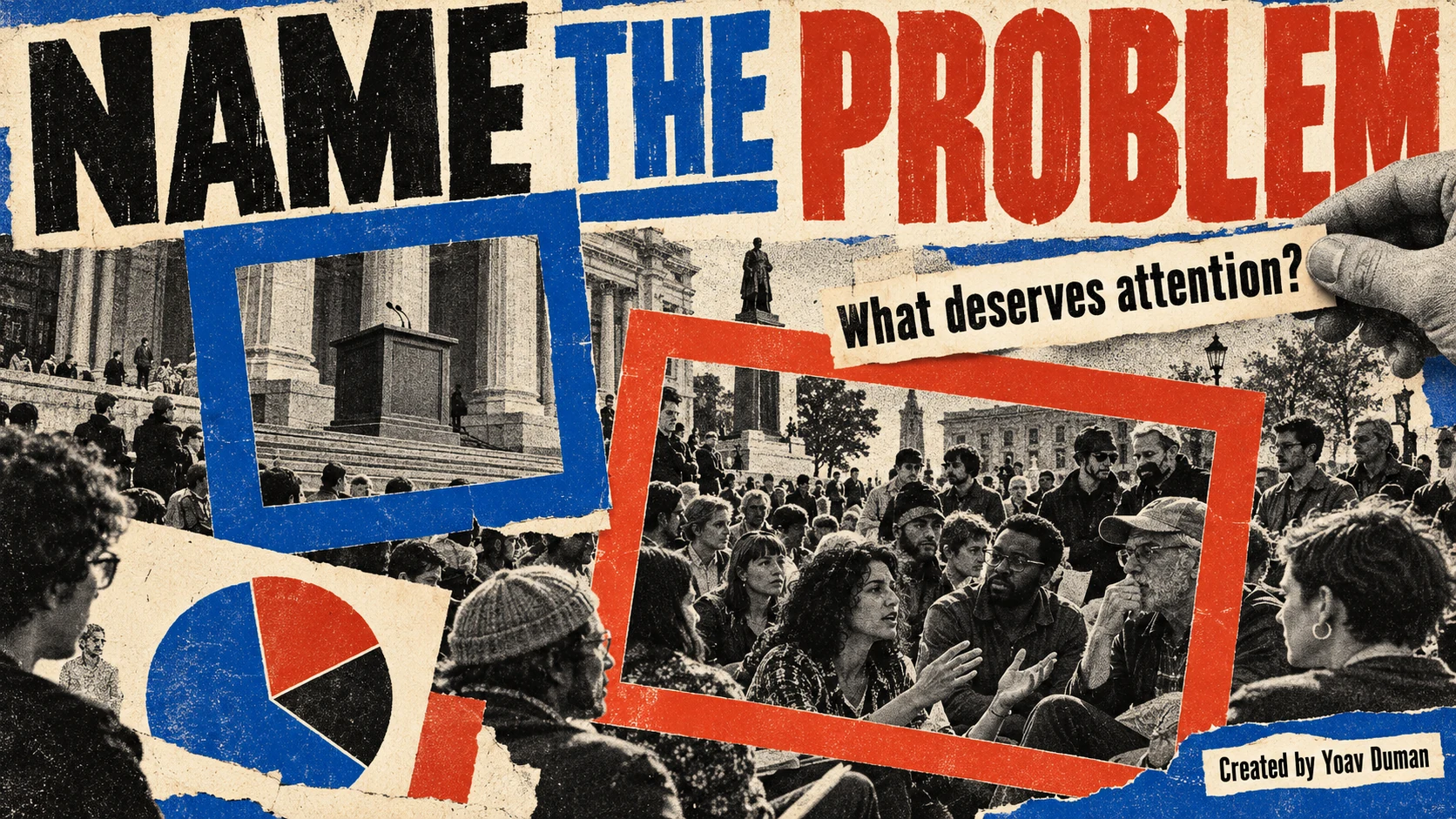
Name the Problem

Name a pattern. Defend what deserves attention. In Name the Problem, you join a citizens’ assembly, compare two views of representation or democracy, and develop a public interpretation. Make the political value or benchmark behind your priority explicit, respond to a challenge, and defend action, further inquiry, or monitoring. Leave with a poster that states your final interpretation and a report that separately explains your revision.

Explore simulation
27

Simulation / 10 chapters · about 50–60 minutes

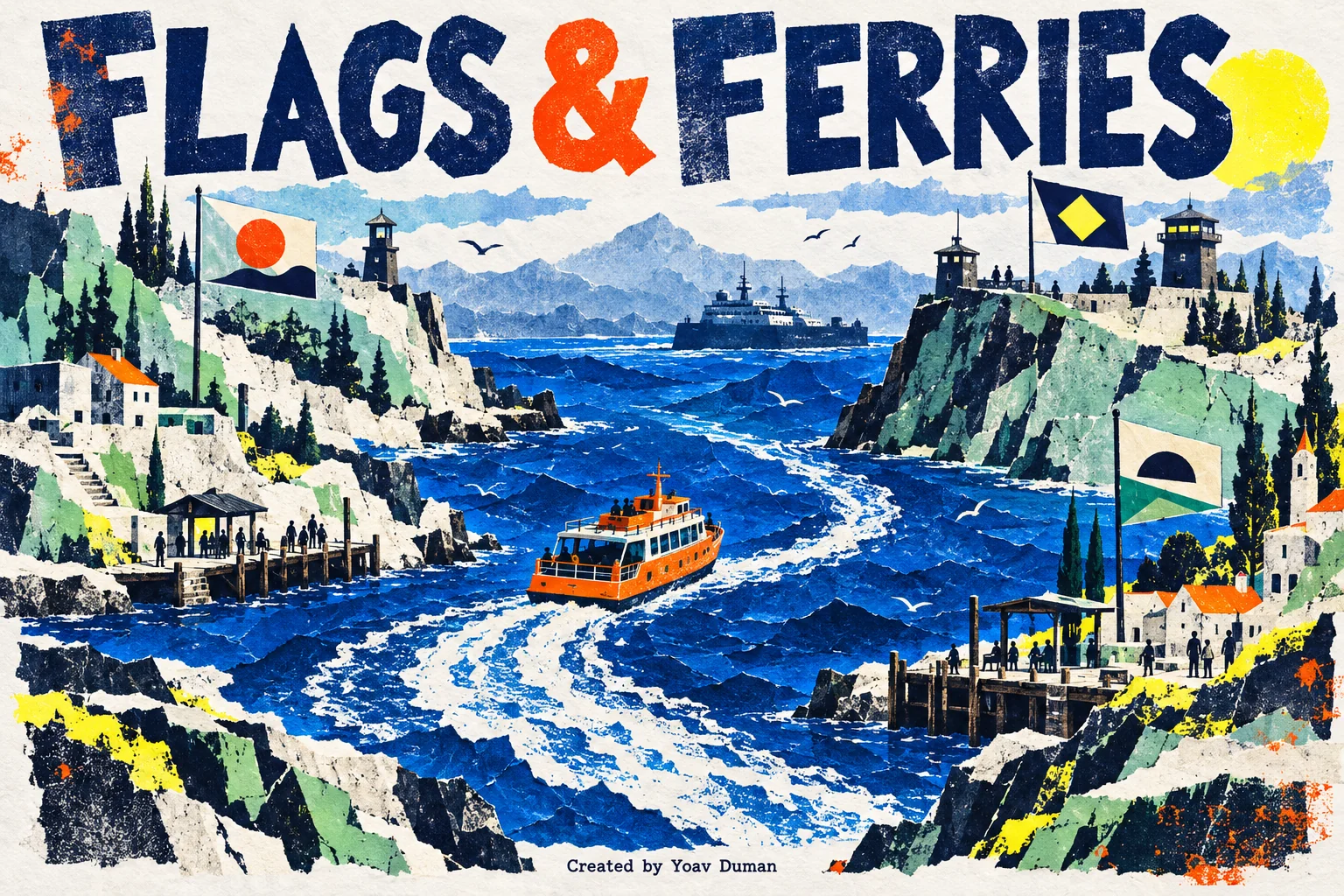
Flags & Ferries

A flag on a pier. A ferry full of people. An ally with a price. In Flags & Ferries, you lead a small coastal state through tense choices about power, protection, and promises. Discover classical realism and structural neorealism through action while learning to read capability data and test explanations. Ten chapters. About 50–60 minutes. No prior knowledge needed. Your choices become a record you can revisit.

Explore simulation
28

Simulation / About 55 minutes of active work

A Door That Says Open

A Door That Says Open is a single-player democracy investigation in Novara. Follow a worker trying to vote, an opposition volunteer trying to reach voters, and residents questioning power after an election. At a public hearing, test a hypothesis against records and ask for a timely response; then replay one changed rule. Apply the reasoning to Belora, a real comparative case, and a flood-plan hearing in Teren. Your explanations, revisions, and evidence appear in a printable report. Created by Yoav Duman.

Explore simulation
29

Simulation / Solo 85–110 minutes · estimate

Greenovia: The Belonging Test

Three regions. One shared future. Every rule draws a line. Write Greenovia’s promise and flag, then follow language, citizenship, schools, religious access, immigration, voting and national symbols through eight council files. Explain who your rules include, exclude or burden. A new family case and a comparison lab test what you can explain. Solo take-home activity with browser saving, portable JSON backups, and PDF or HTML reports. Created by Yoav Duman.

Explore simulation
30

Simulation / Four rehearsals · plan 45–55 minutes with discussion

The Square - A Collective Action Game

Twenty citizens want the same reform. Will enough of them act? Play Citizen B1 in four rehearsals of a collective decision, forecast the other nineteen citizens, and weigh personal payoffs against a shared goal. Compare local communication, a national coordination proposal, and participant-only incentives. Each reveal exposes pivotality and the programmed intervention effect with conditions held fixed. Explain the mechanisms in a printable or downloadable reasoning record. Created by Yoav Duman.

Explore simulation
31

Simulation / Solo 45–55 minutes · estimate

Hold the Headline

A headline can travel faster than the evidence. Run a newsroom, question a public-service claim, and spend two reporting slots on an unfinished bridge. Explain why you chose your records, which claims they support or contradict, and what remains unknown. Preserve your first answers, revise your analysis, and leave with a report you can submit. Created by Yoav Duman.

Explore simulation
32

Simulation / Solo 45–55 minutes · estimate

Protection, Inc.: The Price of Power

A captain offers protection. Which terms survive the captain? Bargain for your community, confront a replacement leader, and compare the same arrangement under different payment rules and enforcement. Investigate what continuing records, collectors, and guard command can establish—and what payment alone cannot tell you about legitimacy. Created by Yoav Duman.

Explore simulation
33

Learning bot

Who Gets to be We

Who Gets to Be We? — The Nationalism Exhibit What makes a nation—and who gets left out? Help repair an unfinished museum exhibit using Andreas Wimmer’s “Why Nationalism Works.” Choose evidence, compare cases, and explore how nationalism can support solidarity and equality while also producing exclusion and violence. Your reading companion helps you work through difficult passages as you develop your own interpretation. 25–35 minutes after reading.

Open learning bot
34

Simulation / Core 30–40 min · Full 45–60 min · plus discussion

The Evidence Lab: Everyday Mysteries, Better Questions

A good story is only the beginning. Investigate a suspicious café claim, an accused navigation app, and a final battery-saver headline. Compare rival explanations, request evidence that separates them, and defend what the records support. Core teaches fair comparisons and event order; Full also asks students to design their own mystery and investigate public power. First checked responses, later revisions, and opened hints remain visible in a printable reasoning record. Created by Yoav Duman.

Explore simulation
35

Learning bot

The Cooperation Lab — Multilateralism Partner

The Cooperation Lab — Multilateralism Partner What happens when a powerful country turns against the institutions it helped build? Explore Carnegie and Clark’s “Multilateralism Can Survive Trump,” investigate strategies for keeping cooperation alive, and weigh their costs. Then apply your reasoning to a fictional international flood-warning network under political pressure. A brief comparison with Mearsheimer brings the tension between cooperation and rivalry into focus. 25–35 minutes after reading.

Open learning bot
36

Learning bot

The Rivalry Brief

Can cooperation help create a future rival? Investigate John Mearsheimer’s argument about U.S.–China competition and build a short research brief of your own. Follow the evidence, apply the theory to a flashpoint, and decide what you find convincing. You’ll get more guidance when you need it and deeper questions when you’re ready. Your conclusions are yours to defend. Read the article first and keep it open. Allow about 35–40 minutes for the activity.

Open learning bot
37

Learning bot

The Democracy Repair Shop

The ballots are counted. What else has to work? Step into a fictional repair shop and use Kreps and Kriner’s “How AI Threatens Democracy” to diagnose problems of representation, accountability, and trust. You’ll unpack difficult passages, examine the evidence, and defend a repair—with guidance that adapts to your understanding. **Allow about 40 minutes. Keep the article open as you work.**

Open learning bot
38

Learning bot

THE RULES HEARING

Can a broken rule still matter? Test what international norms do when states break them. Then make a commission’s decision. Does a norm matter if a state violates it? In this MUSEBot activity, you’ll work through Tanisha M. Fazal’s argument about power and principle, use constructivist ideas about identity and recognition, and serve on a fictional international commission. You’ll weigh the evidence, examine a double standard, and recommend a response to a border crisis. Before you begin, read Fazal’s “The Power of Principles: What Norms Are Still Good For” and watch both constructivism lectures. Set aside about 40 minutes. Keep the article open; the bot will guide you one question at a time. You’ll need to be signed into Gemini to use the bot.

Open learning bot
39

Learning bot / 40-60 minutes

The Signal Room: January 6, Testimony & Power

How do political messages become action—and what evidence connects them? Explore January 6 through the testimony of election workers, police officers, and a White House aide. With Alex, your AI evidence guide, examine race, loyalty, violence, and accountability. Compare accounts, question assumptions, and build an explanation you can defend—and revise when the evidence demands.

Open learning bot
40

Learning bot

After the Headline: The Nigeria File

Why can a state be powerful in some ways and struggle in others? Join the research desk of a fictional magazine and investigate Nigeria through evidence about oil, taxation, public services, and political power. This guided chatbot challenges you to connect the readings, question easy explanations, and build an argument that can survive a skeptical reader. Before you begin: Read all three selections in the reading packet and keep it open during the activity. Lectures are optional. Allow approximately 40 minutes after completing the readings.

Open learning bot

MUSE / AI & education

BETTER QUESTIONS.
BETTER CONVERSATIONS.

A little help getting from “I read it” to “I understand it.”

These learning bots help students read difficult texts, apply concepts, test arguments, and revise their thinking. Start with the source. Keep your judgment switched on.

Who Gets to be We

The Cooperation Lab — Multilateralism Partner

The Rivalry Brief

The Democracy Repair Shop

THE RULES HEARING

The Signal Room: January 6, Testimony & Power 40-60 minutes

Before You Begin Watch these three testimony videos before starting The Signal Room: 1. Police testimony: Aquilino Gonell, Michael Fanone, Daniel Hodges, and Harry Dunn https://youtu.be/a8WU8MRC2M8 2. Shaye Moss’s testimony, including recorded testimony from Ruby Freeman https://youtu.be/6dn48fcHkFw 3. Cassidy Hutchinson’s testimony https://www.pbs.org/video/the-january-6th-hearings-day-6-9racyj/ As you watch, note a few specific moments: what each witness personally experienced, what they learned from others, and what questions their account raises. Bring those observations to your conversation with Alex. Prefer to read? You can use the hearing transcripts instead: Police testimony: https://www.govinfo.gov/content/pkg/CHRG-117hhrg45472/html/CHRG-117hhrg45472.htm Shaye Moss: https://www.gov

After the Headline: The Nigeria File

Bots open in ChatGPT or Gemini. You may need an account. For classwork, follow your course’s instructions about AI.

For educators

LET THE ROOM
FIND THE PROBLEM.

I also build activities that happen between people.

My workshops start with decisions, bargaining, uncertainty, and competing priorities. Then we use theory to make sense of what just happened.

Talk workshops